


Mastering the Art of Natural Light Techniques
- Jan 16
- 4 min read
Photography is an art that thrives on light. Among the many lighting options available, natural light stands out for its authenticity and beauty. Mastering natural light techniques can elevate your photography, giving your images a soft, organic feel that artificial lighting often struggles to replicate. Whether you are shooting portraits, landscapes, or still life, understanding how to harness natural light will transform your work.
Natural light is dynamic and ever-changing, influenced by the time of day, weather, and environment. Learning to read and use these variations effectively is key to creating stunning photographs. This guide will walk you through essential natural light techniques, camera settings, and practical tips to help you capture breathtaking images using only the light nature provides.
Understanding Natural Light Techniques
Natural light techniques involve using sunlight or ambient outdoor light to illuminate your subject. Unlike studio lighting, natural light is unpredictable, but it offers a wide range of creative possibilities. Here are some fundamental techniques to get started:
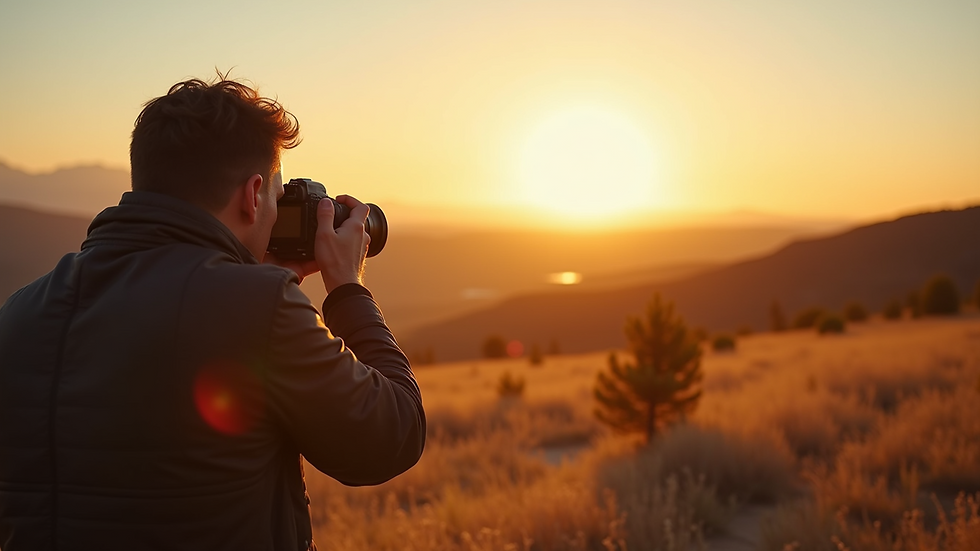
Golden Hour Shooting: The hour after sunrise and before sunset is known as the golden hour. The light is warm, soft, and diffused, creating flattering shadows and highlights. This is the ideal time for portraits and landscapes.
Using Shade: When the sun is harsh, shooting in the shade can soften shadows and reduce contrast. Look for shaded areas under trees, buildings, or awnings.
Backlighting: Position your subject with the sun behind them to create a glowing outline or halo effect. This technique works well for portraits and nature shots.
Side Lighting: Light coming from the side adds depth and texture to your images by emphasizing shadows and highlights.
Reflectors and Diffusers: Use simple tools like white boards or fabric to bounce or soften natural light, controlling how it falls on your subject.
Experimenting with these techniques will help you understand how natural light interacts with different subjects and environments.
How to Work with Different Times of Day
The quality and direction of natural light change throughout the day, affecting your photos dramatically. Knowing when to shoot and how to adapt your approach is crucial.
Early Morning: Light is cool and soft, with long shadows. Ideal for calm, serene images.
Midday: The sun is high and bright, producing harsh shadows and strong contrast. Use shade or diffusers to soften the light.
Late Afternoon: Similar to early morning but warmer in tone. Great for warm, inviting portraits.
Overcast Days: Clouds act as a natural diffuser, creating even, soft light with minimal shadows. Perfect for detailed close-ups and portraits.
Adjust your camera settings and positioning based on the time of day to make the most of available light.
What are the best settings for natural light photography?
Choosing the right camera settings is essential to capture the best results with natural light. Here are some recommendations:
ISO: Keep ISO low (100-400) to avoid graininess since natural light is usually sufficient.
Aperture: Use a wide aperture (f/1.8 to f/4) for portraits to create a shallow depth of field and beautiful background blur. For landscapes, a smaller aperture (f/8 to f/16) ensures more of the scene is in focus.
Shutter Speed: Adjust shutter speed to balance exposure. Faster speeds freeze motion, while slower speeds can add creative blur.
White Balance: Set white balance according to the lighting conditions (daylight, cloudy, shade) to maintain accurate colors.
Exposure Compensation: Use this to fine-tune brightness, especially when shooting backlit subjects.
Always shoot in RAW format if possible. This allows greater flexibility in post-processing to adjust exposure and color without losing quality.

Tips for Enhancing Your Natural Light Photography
To truly master natural light techniques, consider these practical tips:
Scout Locations: Visit your shooting location at different times to observe how light changes.
Use Reflectors: A simple white reflector can bounce light onto your subject, filling in shadows.
Avoid Direct Sunlight for Portraits: Direct sunlight can cause harsh shadows and squinting. Opt for shaded areas or shoot during golden hour.
Embrace Shadows: Shadows add depth and interest. Use them creatively rather than avoiding them.
Move Your Subject: Adjust your subject’s position relative to the light source to find the most flattering angles.
Practice Patience: Natural light changes quickly. Be ready to capture the perfect moment.
Post-Processing: Enhance your images by adjusting contrast, brightness, and color temperature to complement the natural light.
By applying these tips, you can create images that feel natural, vibrant, and full of life.
Exploring Creative Uses of Natural Light
Natural light is not just for straightforward illumination; it can be a powerful creative tool. Here are some ideas to inspire your photography:
Silhouettes: Shoot against a bright background with your subject in shadow to create dramatic silhouettes.
Lens Flares: Position the sun partially in the frame to capture artistic lens flares.
Patterns and Textures: Use dappled light through leaves or blinds to create interesting patterns on your subject.
Reflections: Capture reflections in water or glass, enhanced by natural light.
Nighttime Natural Light: Use moonlight or streetlights for moody, atmospheric shots.
Experimenting with these creative approaches will help you develop your unique style and deepen your understanding of natural light.
Elevate Your Photography with Natural Light
Mastering natural light techniques is a rewarding journey that enhances your ability to capture authentic and compelling images. By understanding how light behaves, adjusting your camera settings, and applying practical tips, you can make the most of the natural environment around you.
For those looking to deepen their skills, exploring natural light photography resources and tutorials can provide further insights and inspiration. Remember, the best camera is the one you have with you, and the best light is often the one nature provides.
Embrace the beauty of natural light and watch your photography transform into something truly extraordinary.
Comments